National
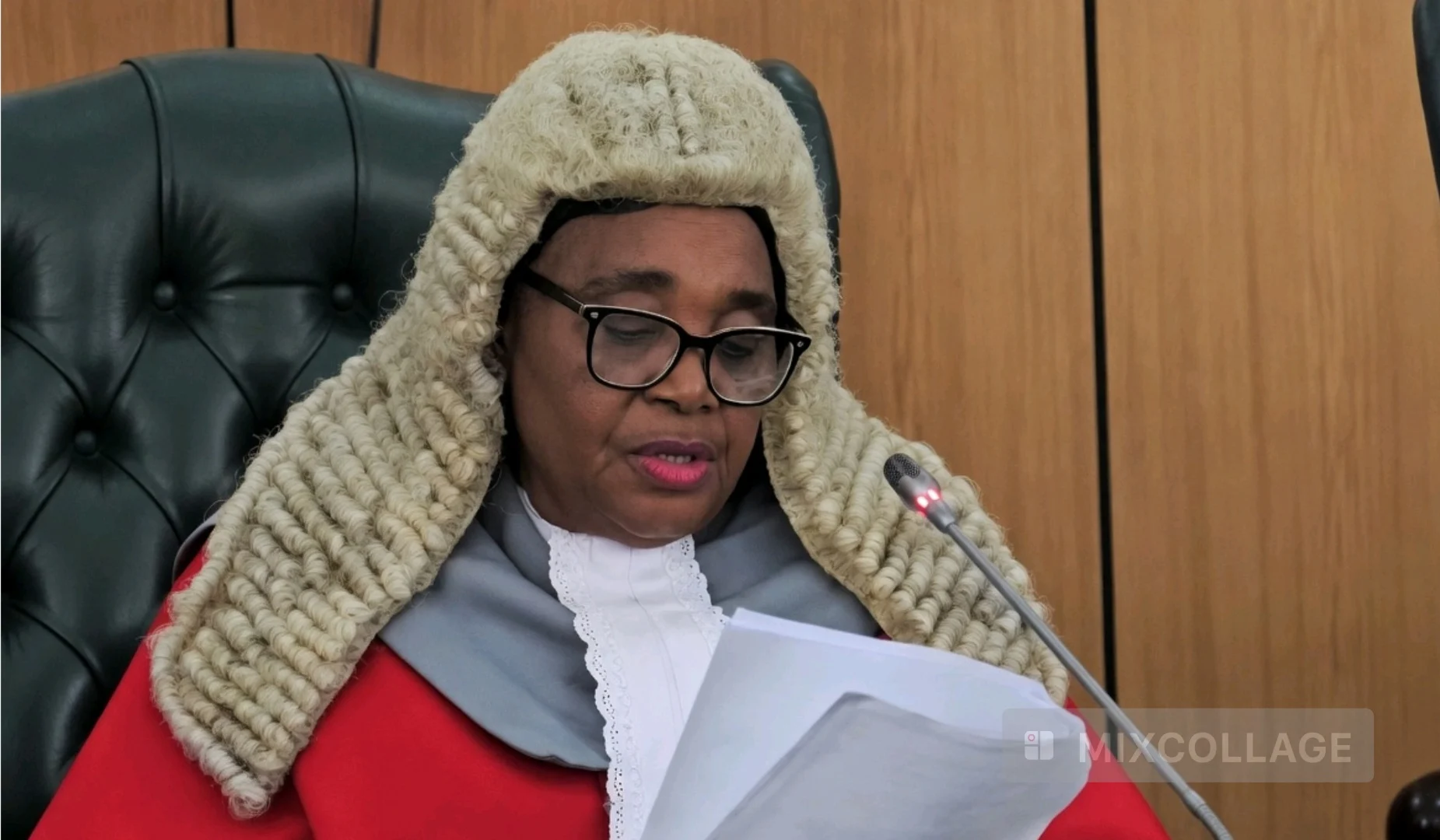
Zimbabwe appoints first female Chief Justice as Elizabeth Gwaunza Takes over
By Shelton Muchena
Today Zimbabwe made history by appointing its first ever female Chief Justice, Elizabeth Gwaunza who replaces the now retired Chief Justice Malaba.
For nearly a century, the highest judicial office in Zimbabwe was held exclusively by men, first under colonial rule and then through decades of independence marked by political upheaval, contested elections and fierce debates over the balance between power and the law.
While nations such as Ghana, Kenya, South Africa and Sudan have already appointed women to their apex courts, Zimbabwe’s arrival at this moment carries unique weight, coming at a time when the independence of the bench remains one of the most sensitive and scrutinised issues in public life.
Her appointment, announced in an official government statement on 14 May and made under Section 180(2) of the Constitution, ends months of quiet speculation and follows eight years in the role of Deputy Chief Justice, a position she also made history by taking up in 2018.
With a career spanning almost four decades from private practice to the High Court, the Supreme Court, and even a term as a judge at the International Criminal Tribunal for the former Yugoslavia she brings experience unmatched in the current bench, and a personal story that mirrors Zimbabwe’s own journey: she was among the first group of black women to graduate in law from what was then the University of Rhodesia, breaking barriers when access to the profession was still heavily restricted by race and gender.
On paper, her elevation is a triumph for gender equality and a powerful signal that the country is ready to embrace inclusive leadership across all branches of state. In reality, however, it arrives amid deep uncertainty and high expectation. The judiciary here has long occupied a fragile space: respected for some landmark rulings that upheld constitutional rights, yet frequently criticised by opposition parties, civil society and international observers for being too compliant with executive authority, particularly in cases involving political disputes, electoral challenges and media freedoms. Justice Gwaunza herself has not been immune to controversy; her past ties to former president Robert Mugabe and questions over her links to political elites have been raised by legal analysts, even as her supporters point to her long record of fair adjudication and her work advancing women’s rights through legal reform.Zimbabwe travel guide
Her biggest challenge now will be to define her tenure not by who appointed her, but by how she protects the court’s independence. Since the 2023 general election an outcome disputed and subject to legal challenge there have been repeated calls for the judiciary to act as a stronger check on power, to ensure that laws are applied equally to all citizens, and to restore public trust in institutions that many feel have been eroded over time.
As the first woman in the role, she carries the hopes of thousands of women and girls who see her appointment as proof that no office is entirely out of reach, but she also carries the burden of proving that gender progress and institutional strength can go hand in hand.
Across the continent, her promotion fits into a broader shift: women are gradually taking charge of key judicial bodies, often with a focus on reform, transparency and access to justice. In Zimbabwe, though, every step forward is measured against the political context. Her predecessor’s tenure was marked by battles over retirement ages and constitutional interpretation, battles that laid bare just how central the courts are to the struggle over the country’s future. Now, as she steps into that same arena, Justice Gwaunza faces a defining choice: to follow the cautious path of her predecessors, or to use her historic position to strengthen the rule of law, defend the constitution, and ensure that justice remains blind not only to wealth or status, but also to political influence.
For Zimbabweans watching closely, her leadership will be judged on one simple question: will this historic appointment be remembered as a symbolic milestone alone or as the moment when the judiciary truly began to stand apart, equal and independent, in service of all the people?Politics