National
$100 Million Reckoning: Zimbabwe’s Debt Haunts London Court Two Decades Later
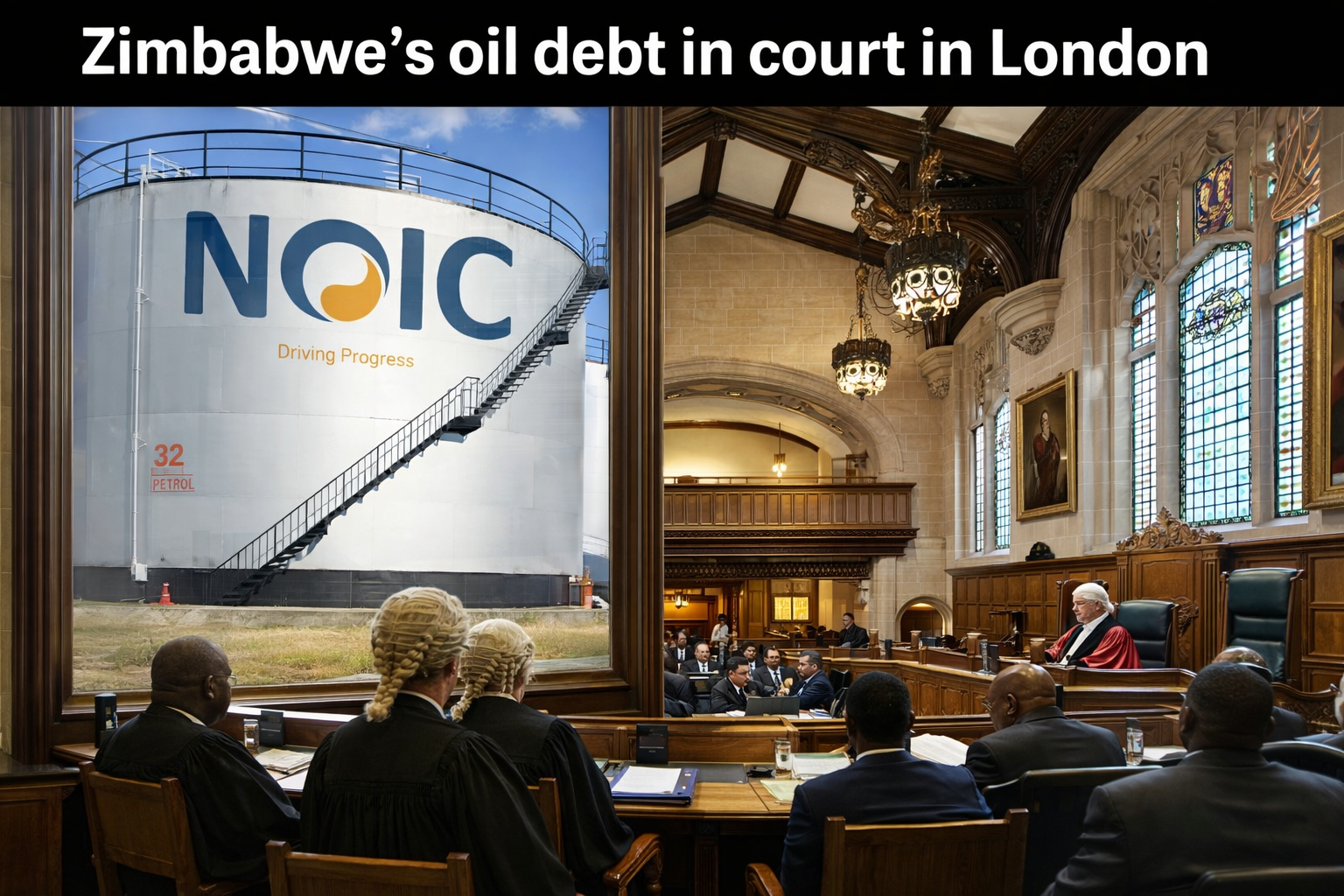
By Shelton Muchena in England
In the grand chambers of London’s High Court, history has arrived with a ledger in hand. A debt born in the shadows of Zimbabwe’s fuel crisis in 2001 small then, monstrous now has resurfaced to demand reckoning. The Libyan Foreign Bank has dragged the country’s finance minister and its state oil company into a legal confrontation over more than US$100 million, a figure inflated by years of neglect, compounding interest, and the weight of promises broken. Two decades after the original credit was extended, the ghosts of a nation’s financial past are now standing in judgment, in a city that has become the stage for the world’s most consequential sovereign debt battles.
The story begins in 2001, when Zimbabwe’s economy teetered on the edge of crisis and fuel shortages threatened to paralyze everyday life. In that moment, the Libyan Foreign Bank extended a US$90 million credit facility to the National Oil Infrastructure Company of Zimbabwe, the state-owned enterprise tasked with ensuring the nation’s energy lifelines remained open. The money was earmarked for fuel imports from Oilinvest BV of the Netherlands, itself linked to Libyan state interests at the time a lifeline, a promise, a gamble.
According to court filings, NOIC drew nearly half of that credit over the next two years. But repayment, the Libyan Foreign Bank claims, was a story of delay, silence, and ultimately neglect. Between 2013 and 2023, Zimbabwe allegedly repaid a mere US$5.5 million in four scattered installments. Today, the outstanding sum, including accumulated interest, has swelled to more than US$100 million a financial specter of promises left unfulfilled.
Central to the case is the question of sovereign responsibility. The Libyan Foreign Bank argues that the loan carried a guarantee from Zimbabwe’s Ministry of Finance under then-minister Simbarashe Makoni, binding the state itself to the obligation. Court documents further allege that Zimbabwean officials repeatedly acknowledged the debt from 2005 onward, yet action never followed. Every nod, every official acknowledgment, the bank says, was a tacit admission: this debt is real, and it is owed.
Now, the reckoning has arrived in London. Justice Richard Jacobs has ordered Finance Minister Mthuli Ncube and NOIC to file their defense by the end of the month. While Ncube initially sought to challenge the court’s jurisdiction, that strategy has fallen away, leaving the case to proceed on foreign soil. For Zimbabwe, it is a legal battle that stretches beyond numbers into credibility, accountability, and the fragile trust of the global financial community.
This lawsuit lands at a particularly precarious time for Harare. Zimbabwe remains cut off from international capital markets, burdened by arrears estimated at over US$21 billion to multilateral institutions and bilateral lenders. Each unresolved debt tightens the nation’s isolation, each court case abroad is a reminder that past missteps echo loudly in the present. In London, the Libyan Foreign Bank’s claim is not merely about money it is a warning that financial history does not forgive, and that promises, once broken, can follow a nation across oceans.
What unfolds in London is more than a courtroom drama. It is a collision of eras: a loan born of crisis, deferred through economic collapse and political change, now pursued in one of the world’s most influential financial capitals. For Zimbabwe, the question is no longer if it owes the money it is whether the nation can answer for the promise it made, two decades ago, when fuel was scarce, the economy fragile, and trust was borrowed like the credit itself.