International News
Fraud exposed, trust lost as migrants warn against collective blame after NHS case
By Shelton Muchena In Cardiff Wales
An outcry from immigrants to the United Kingdom government.
The National Health Service was built on trust.
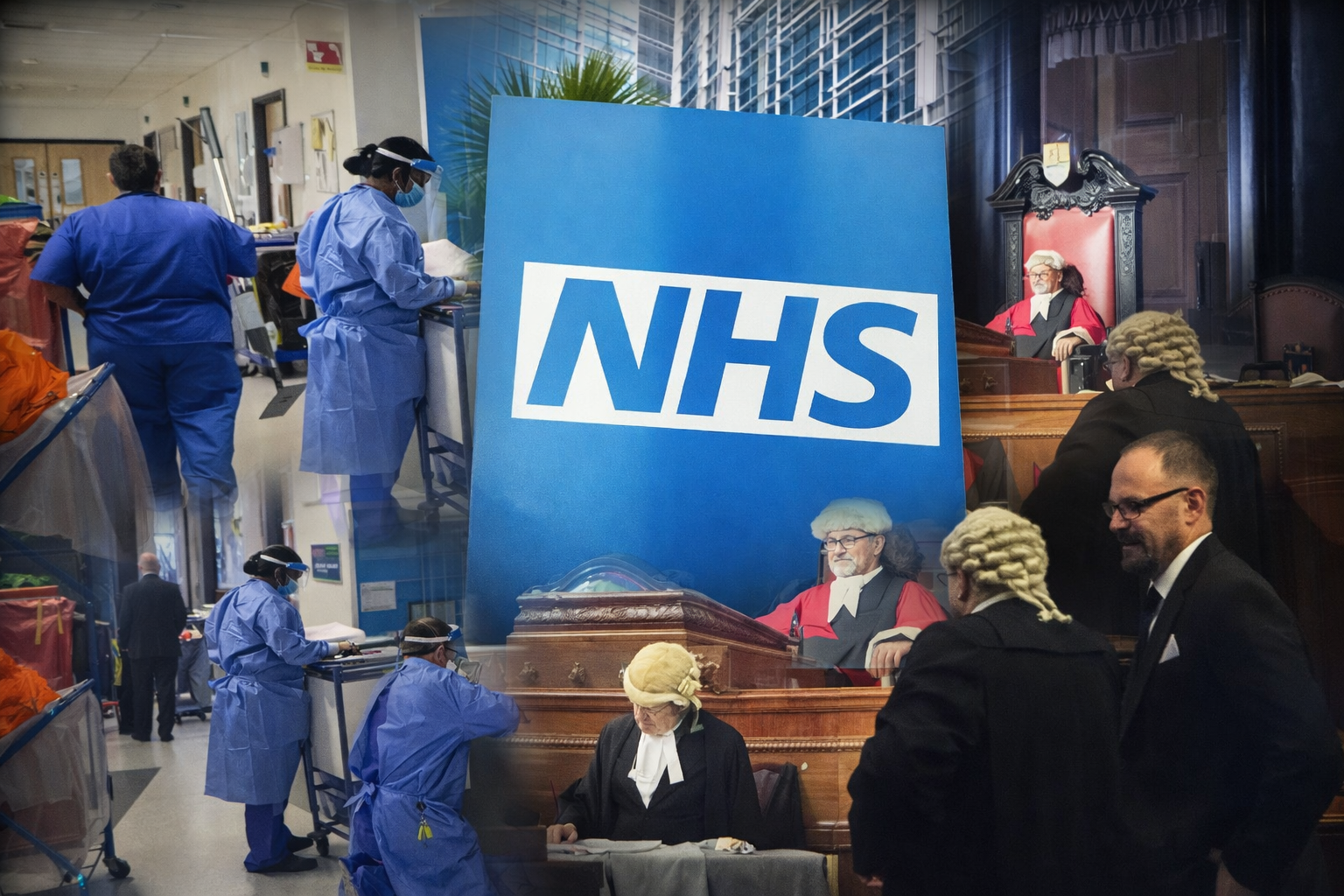
Trust that those who wear its uniforms are trained. Trust that those who enter its wards are accountable. Trust that patients, often at their most vulnerable, are safe in the hands of those sworn to care for them. That trust was shaken today in a courtroom in Cardiff.
What began as a routine hospital shift ended with the exposure of a deception that has reverberated across Britain and far beyond its borders. A woman with no formal medical qualifications had been working inside NHS facilities using a false identity, gaining access to patients, confidential medical records and secure hospital wards. The fraud was not dramatic in its discovery. It was uncovered quietly when a receptionist noticed that the photograph on an identification card appeared to have been slipped into a plastic wallet rather than embedded as official NHS credentials should be.
From that moment, a deeper and more troubling picture emerged.
The court heard how the woman, living in the UK on a student visa, had worked shifts at Neath Port Talbot Hospital and the Caswell Clinic in Bridgend. Alongside accomplices, she used shared identities supplied through employment agencies to fraudulently bill the NHS tens of thousands of pounds each month. The operation exploited gaps in verification systems and relied on the assumption that trust would not be questioned.
But it was not only money that was at stake.
Investigators detailed behaviour that alarmed hospital staff. Doors were locked that should never have been secured, creating serious fire risks. Access was gained to sensitive patient records. Clinical observations were altered despite no training in mental health care or restraint techniques. In facilities caring for high risk and detained patients, such actions carried potentially catastrophic consequences.
The judge’s words were unequivocal. Patients were put at risk. Staff were put at risk. The sentence handed down today made clear that fraud against the NHS is not a technical offence but a violation of public safety and moral responsibility. The court emphasised that organised fraud targeting healthcare will be pursued relentlessly and punished accordingly.
Justice, many will agree, was served.
Yet outside the courtroom, a quieter reckoning is unfolding.
For immigrants across the United Kingdom, particularly those working in healthcare and social support roles, the case has landed like a blow to the chest. Nurses who trained for years to meet British standards. Support workers who endure exhausting shifts in understaffed wards. Students who followed the rules, paid their fees, passed their checks and believed their contributions would be judged on merit rather than suspicion.
They now fear the consequences of someone else’s crime.
The government, under pressure to protect the NHS, faces a genuine dilemma. How does it distinguish between the criminal and the committed when fraud networks cross borders and exploit identity systems? How does it tighten oversight without turning every immigrant worker into a suspect?
The risk is clear. When trust is broken by a few, scrutiny expands to the many. Visas are questioned more harshly. Qualifications are doubted more readily. Accents, names and passports become proxies for risk. In that environment, honest professionals pay an invisible price.
Immigrants are not defending fraud. They are condemning it. They are calling for stronger checks, better agency regulation and tougher action against organised crime groups that profit from deception. What they reject is the quiet drift toward collective blame.
The NHS depends on migrant labour. This is not ideology. It is fact. From emergency rooms to care homes, from mental health units to night shifts few want to work, immigrant professionals are woven into the fabric of British healthcare. To allow the actions of criminals to erode that foundation would be a second and deeper betrayal.
This moment demands clarity, not panic. Precision, not prejudice.
The lesson of this case is not that immigrants cannot be trusted. It is that systems must be stronger, agencies must be accountable and criminals must be isolated without casting shadows over entire communities.
Trust, once shaken, can be rebuilt. But only if justice remains focused, measured and fair.
The NHS deserves protection. Patients deserve safety. And immigrants who serve this country with integrity deserve not suspicion, but recognition.
That is the outcry being voiced quietly across Britain today.